

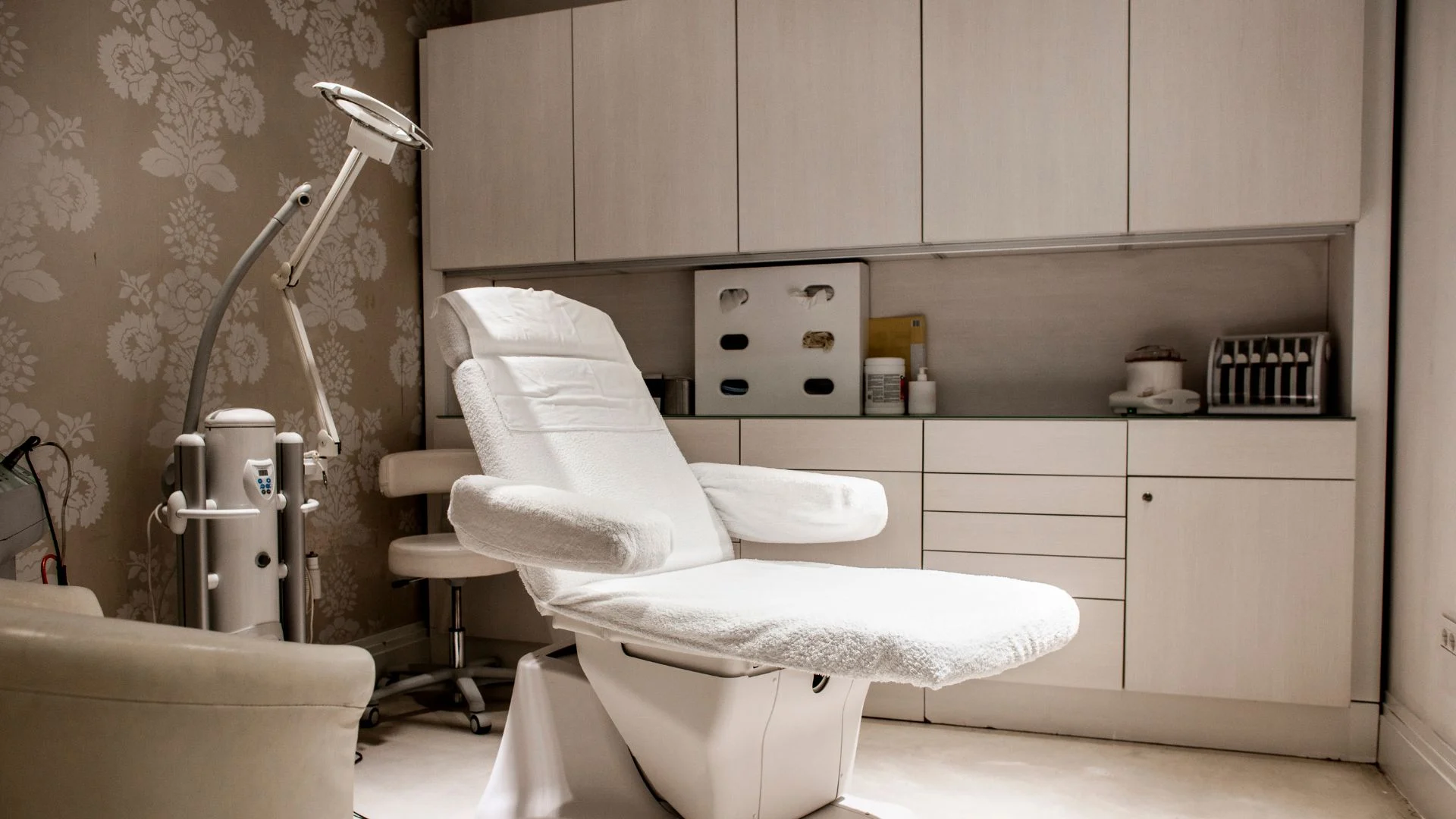
Home Clinic vs Room Rental vs Your Own Clinic Space Explained
Most early-stage aesthetic practitioners do not struggle because they choose the wrong treatment room. They struggle because they choose a setup that creates more pressure than their patient demand can support. This guide explains the real differences between working from home, renting a room, using a shared clinic space and taking on your own premises, so you can choose a setup that protects your cash flow, supports patient trust and gives your clinic room to grow at the right pace.
1. Why Your Clinic Setup Choice Matters More Than Most Practitioners Realise
2. Can You Realistically Start an Aesthetic Clinic From Home?
3. What Are the Pros and Cons of Renting a Treatment Room?
4. Should You Take On Your Own Clinic Premises in Year One?
5. How Does Your Clinic Setup Affect Patient Trust and Perception?
6. What Compliance and Insurance Issues Should You Consider?
7. What Does Each Setup Option Actually Cost?
8. What Most New Practitioners Get Wrong About Premises
9. When Is the Right Time to Upgrade Your Space?
10. Which Clinic Setup Is Best for Different Types of Practitioners?
11. What a Smart First 2 Years Often Looks Like
12. The Principle to Remember Before Choosing Your Clinic Space
1. Why Your Clinic Setup Choice Matters More Than Most Practitioners Realise
Choosing where to practise aesthetics in your first year is not simply a location decision. It is one of the biggest financial and operational decisions you will make when starting an aesthetic clinic.
Most practitioners think they are choosing between working from home, renting a room or taking on clinic premises. In reality, they are choosing the level of monthly pressure, patient volume and operational complexity their business will carry from day one.
That distinction matters far more than most people realise.
Most Practitioners Choose Premises Emotionally
One of the most common mistakes in aesthetics is choosing premises based on image rather than stage of growth.
Social media creates a very polished version of clinic ownership. New practitioners regularly see luxury treatment rooms, expensive interiors and branded clinic spaces online, and understandably begin associating those things with credibility and success. The problem is that appearance and financial stability are not the same thing.
A practitioner can have a beautiful clinic and still be under severe financial pressure every month.
Equally, a practitioner working from a modest treatment room or home clinic may be operating calmly, profitably and sustainably because their overhead remains manageable.
This is where emotional decision-making quietly becomes commercial pressure. Many practitioners choose the setup they aspire to rather than the setup their current patient demand can realistically support.
Your Premises Shape Your Financial Pressure
Your clinic setup directly affects how much revenue your business must generate before you even begin paying yourself.
A home clinic may carry very low monthly overhead. A rented treatment room increases costs moderately. Taking on your own premises increases them dramatically through rent, utilities, software, insurance, furnishings, marketing and potentially staffing.
The result is simple. Higher fixed costs mean higher required patient volume.
Imagine two practitioners both generating £5,000 per month in revenue.
The first works from a rented treatment room with monthly overhead of around £1,200. The second operates from a commercial premises with fixed monthly costs closer to £4,000.
On paper, both clinics look equally successful.
In reality, they experience completely different levels of stress.
The first practitioner still has room to breathe financially. The second may already feel under pressure to increase bookings, discount treatments or spend more aggressively on marketing simply to maintain stability.
Revenue alone means very little without understanding the overhead underneath it.
Premises Also Affect Pricing and Patient Expectations
Your clinic environment influences how patients perceive your brand before treatment even begins.
Higher-end premises can increase perceived value, but they also raise patient expectations around experience, branding and consistency. Patients entering a luxury clinic environment expect a polished journey from consultation through to aftercare.
That is not automatically positive if your systems, communication or patient experience are still developing.
At the same time, lower-overhead setups such as home clinics or shared spaces may require more effort in areas like consultation quality, professionalism and trust-building. Patients want reassurance that the environment is safe, credible and well managed.
Importantly, most patients are not choosing clinics purely because they look expensive. They are looking for professionalism, reviews, communication, cleanliness and results.
A well-run clinic with strong patient trust will usually outperform a visually impressive clinic with weak operational foundations.
The Better Question to Ask in Year One
Instead of asking:
“What setup looks most successful?”
A better question is:
“What setup gives me the best chance of building a stable clinic properly?”
That changes the decision entirely.
The goal in your first year is not to impress the industry. It is to create a clinic model that gives you enough financial flexibility to grow steadily without unnecessary strain.
Many successful clinic owners started with low-overhead setups, built patient demand gradually, refined their consultation process and expanded later when the numbers justified it.
Starting smaller does not reduce ambition. In many cases, it protects it.
In the next section, we will look at whether starting an aesthetic clinic from home is realistically viable, including the practical advantages, limitations and misconceptions surrounding home-based practice. For comprehensive support with your setup decision, explore our clinic setup programmes.
2. Can You Realistically Start an Aesthetic Clinic From Home?
Yes, you can realistically start an aesthetic clinic from home, and for many practitioners it is one of the safest and most commercially sensible ways to begin. The important question is not whether home clinics are “professional enough”. It is whether the setup is safe, compliant, well presented and appropriate for your current stage of growth.
Many successful aesthetic practitioners began from home before expanding later.
Who Home Clinics Usually Suit Best
Home clinics tend to work particularly well for practitioners who are:
- newly qualified
- building confidence gradually
- transitioning from NHS or employed work
- launching part-time
- trying to minimise financial risk in year one
The biggest advantage is reduced fixed overhead. Lower monthly costs give you more breathing room while you build patient demand, reviews and referral momentum.
A practitioner renting commercial premises may need a much higher number of treatments every month simply to cover costs. A home clinic allows more flexibility while your diary is still developing.
That does not mean home clinics are automatically easier to run. They simply create a different type of pressure. Understanding your numbers properly is critical, and our growth tools can help you track and manage your finances from day one.
The Biggest Misconception About Home Clinics
One of the most common fears amongst new practitioners is:
“Will patients take me seriously if I work from home?”
In reality, most patients are not judging you solely on the address. They are judging the overall experience and whether they trust you.
Patients tend to care more about:
- professionalism
- cleanliness
- communication
- reviews
- consultation quality
- visible results
- safety
A calm, clean and well-organised home clinic can feel far more reassuring than a poorly managed commercial space.
The issue is not usually the fact that the clinic is home-based. The issue is whether it feels clinical, safe and professionally operated.
A spare room with poor lighting, household distractions and inconsistent presentation creates concern quickly. A dedicated treatment space with proper setup, strong consultation processes and good patient communication creates a very different impression.
What Most Practitioners Underestimate
Home clinics are often presented online as a low-cost and simple option. Financially, they can be. Operationally, they still require structure.
You still need:
- appropriate insurance
- proper waste disposal
- treatment documentation
- a clinical environment
- emergency protocols
- secure patient records
- professional boundaries
Privacy also becomes an important consideration.
Patients entering your home changes the dynamic of both your business and personal environment. Parking, neighbours, noise, family interruptions and safeguarding considerations all become relevant. Some practitioners are comfortable with this. Others find it mentally difficult to separate work and home life once treatments become more frequent.
This is why home clinics suit some personalities far better than others.
The Financial Reality of Starting From Home
One reason home clinics are so attractive early on is cost control.
A realistic home clinic startup setup may include:
- treatment couch
- lighting
- clinical storage
- consumables
- website and branding
- insurance
- minor room adjustments
Many practitioners can create a professional starter environment for somewhere between £2,000 and £6,000 depending on the treatments offered and the quality of setup. Check our recommended tools and suppliers to source quality equipment at competitive prices.
Monthly overhead may remain relatively low compared with commercial premises. That difference significantly reduces the number of patients required to break even each month.
For example, a practitioner with monthly overhead of £700 may only require a handful of treatments per week to maintain stability. A practitioner with £4,000 overhead faces a completely different commercial reality from day one.
When a Home Clinic May Not Be the Right Choice
Home clinics are not suitable for everyone.
If your property lacks privacy, parking or a dedicated treatment area, the patient experience may suffer. Likewise, if you plan to build a larger team quickly or create a high-volume clinic environment, home practice may become restrictive fairly early.
There are also branding considerations. Certain demographics may naturally expect a more commercial environment depending on your pricing and positioning.
That does not make home clinics inferior. It simply means your setup should align with your current stage and long-term direction.
Starting from home is not a sign of small ambition. For many practitioners, it is a financially intelligent first step that creates stability before expansion.
In the next section, we will look at the realities of renting a treatment room and why this is often the most balanced option for practitioners moving beyond home-based practice. If you’re just getting started, our Start Your Clinic guide provides step-by-step support for your launch.
3. What Are the Pros and Cons of Renting a Treatment Room?
For many new aesthetic practitioners, renting a treatment room is often the most balanced and commercially sensible option during the first one to two years. It offers a more professional environment than most home clinics without the financial pressure of taking on your own premises.
That balance is exactly why so many practitioners choose this route early on.
How Treatment Room Rental Usually Works
Treatment room rental arrangements vary widely across the aesthetics industry.
Some clinics charge a fixed daily rate. Others offer monthly rental agreements. Some operate on a percentage split, where the clinic keeps a proportion of treatment revenue in exchange for use of the room and facilities.
Typical examples may look like:
- £80–£150 per day room rental
- £500–£1,500 fixed monthly rental
- 20–40 percent revenue share agreements
Each model changes the financial dynamics slightly.
A daily rental arrangement can work well when you are still building demand because it gives flexibility. A monthly agreement may become more cost-effective once your diary stabilises. Percentage splits reduce upfront risk, but they can significantly reduce profitability as treatment volume grows.
The right structure depends less on what sounds cheapest and more on your current patient demand and consistency of bookings.
Why This Is Often the Safest Transition Stage
Room rental sits in the middle ground between home practice and full clinic ownership.
You gain access to:
- a more professional treatment environment
- reception or waiting facilities
- commercial premises credibility
- separation between work and home life
- lower overhead than running your own clinic
For many newly qualified injectors, this creates a more comfortable environment both psychologically and commercially.
Patients often feel reassured by established clinic surroundings, especially in private medical aesthetics where trust matters heavily. At the same time, the practitioner avoids the major financial commitments attached to commercial leases and clinic fit-outs.
This flexibility matters more than many people realise in year one.
A practitioner renting a room two days per week can increase availability gradually as patient demand grows. That is much harder to do once fixed premises costs are already locked in. Our growth tools help you track when the right time to expand might be based on your actual demand patterns.
The Hidden Downsides Most Practitioners Discover Later
Room rental is not perfect, and many practitioners underestimate the limitations initially.
The biggest issue is control.
You are building your business inside somebody else’s environment. Their branding, reception experience, cleanliness standards, opening hours and customer service all influence how your patients perceive you.
Even small operational issues can affect your reputation despite being outside your control.
There can also be practical limitations around:
- room availability
- storage space
- clinic policies
- treatment times
- signage and branding
- marketing restrictions
Some clinics actively support practitioner growth. Others quietly treat room renters as secondary to their own business priorities.
This is why the relationship with the clinic owner matters almost as much as the room itself.
What You Should Ask Before Signing Any Agreement
Many practitioners focus heavily on rental cost while overlooking operational details that later create friction.
Before committing to a treatment room arrangement, important questions include:
- Is the agreement flexible?
- Are utilities included?
- Can you display your own branding?
- Are you allowed to market independently?
- Who handles patient enquiries?
- What happens if you outgrow the space?
- Are there restrictions on treatments offered?
- Is insurance and compliance responsibility clearly defined?
A cheaper room with poor flexibility or unclear expectations can become far more expensive operationally over time. Review our guides section for detailed information about managing room rental agreements.
When Room Rental Makes the Most Sense
For many aesthetic practitioners, room rental is the most commercially balanced option during the early stages of clinic growth.
It allows you to:
- build patient demand gradually
- establish reviews and reputation
- refine consultations
- strengthen pricing confidence
- operate professionally without extreme overhead
Most importantly, it gives you time.
Time to understand your numbers properly before taking on larger financial commitments.
That does not mean every practitioner should stay in rented rooms long term. Some eventually outgrow the limitations around branding, availability and operational control. But for many practitioners, this stage provides the safest bridge between starting out and full clinic ownership.
In the next section, we will look at the realities of taking on your own clinic premises and why this decision creates far more financial pressure than many practitioners initially expect.
4. Should You Take On Your Own Clinic Premises in Year One?
Taking on your own clinic premises in year one can work, but for many newly qualified practitioners it introduces financial pressure far earlier than expected. The issue is not whether owning a clinic space looks professional. The issue is whether your patient demand, systems and cash flow are strong enough to support it consistently.
This is where many aesthetic businesses become financially stretched before they become stable.
Why Commercial Premises Feel So Appealing
There is a strong emotional pull towards having your own clinic space.
It feels established. It feels serious. For many practitioners, it represents independence and success after years in employed healthcare roles. Social media reinforces this constantly through polished interiors, branded reception areas and “clinic opening” announcements.
The problem is that premises create visibility immediately, but they do not automatically create patient demand.
A beautifully designed clinic with empty appointment slots is still financially stressful. Many practitioners underestimate how long it takes for enquiry flow, referrals and repeat bookings to stabilise, particularly in local aesthetics markets where trust takes time to build.
This is why commercial premises often feel exciting initially and overwhelming several months later.
What Most Practitioners Underestimate Financially
The rent itself is usually only the beginning.
Once practitioners take on their own premises, the financial obligations expand quickly:
- lease deposits
- legal fees
- utilities
- internet and software
- furnishings and fit-out
- decoration and signage
- insurance increases
- cleaning and maintenance
- reception support or staffing
- increased marketing pressure
A clinic that initially looked affordable at £1,500 per month can quickly become a £4,000–£6,000 monthly commitment once everything is included properly.
That changes your required patient volume dramatically.
If your average treatment contributes around £150 after product cost, a £4,500 monthly overhead means you may need approximately 30 treatments per month simply to cover operational costs before paying yourself.
That reality surprises many new clinic owners.
Looking Established Is Not the Same as Being Stable
One of the biggest misconceptions in aesthetics is that larger premises automatically create stronger businesses.
In reality, many financially healthy clinics begin quite modestly. Stability usually comes from:
- controlled overhead
- consistent enquiries
- strong patient retention
- pricing confidence
- reliable review generation
- repeat bookings
Not expensive interiors.
Patients rarely know your monthly overhead. They respond to professionalism, trust and experience. A smaller but well-run clinic often creates a better patient experience than a larger clinic operating under constant financial strain.
This is why “looking successful” and “being commercially stable” are not the same thing.
Some practitioners take on large premises too early because they believe the environment itself will create growth. Occasionally it helps. More often, it simply increases pressure while demand is still developing.
When Taking Premises Can Make Sense
There are situations where commercial premises are appropriate even relatively early.
For example:
- you already have a strong patient base
- you are transitioning existing patients from another clinic
- you have substantial financial reserves
- you are launching with an experienced team
- your branding and positioning are already established
- your local demand is already validated
The key difference is that growth already exists before the overhead increases.
That sequence matters.
Strong clinics usually expand because demand justifies the premises. Struggling clinics often hope the premises themselves will create the demand.
The Emotional Pressure Few People Talk About
Higher overhead changes behaviour.
When rent, staffing and fixed costs rise quickly, practitioners often begin making reactive decisions:
- discounting treatments
- overbooking diaries
- rushing consultations
- spending heavily on ads without strategy
- introducing too many treatments too quickly
Not because they lack ability, but because the financial structure has reduced their room to breathe.
This is why the safest first-year clinic models are often the ones that preserve flexibility while patient demand develops naturally.
Owning your own clinic space is not wrong. For many practitioners, it becomes the right next step later. The mistake is assuming it must happen immediately to be taken seriously. If you’re unsure whether premises are right for your stage, book a launch call to discuss your specific situation.
In the next section, we will look at how different clinic setups affect patient trust and perception, including what patients actually notice when deciding whether to book with a practitioner.
5. How Does Your Clinic Setup Affect Patient Trust and Perception?
Your clinic setup does influence patient trust, but not as much as many new practitioners think. Most patients are not searching for the most luxurious clinic. They are looking for reassurance that you are safe, professional, experienced and credible.
That matters because many practitioners overspend trying to create the appearance of success instead of focusing on the factors that actually influence booking decisions.
Patients Form Opinions Before They Ever Walk Through the Door
In aesthetics, perception usually begins online long before consultation day.
Patients often decide whether they feel comfortable with a practitioner based on a combination of:
- website quality
- reviews
- before and after results
- branding consistency
- tone of communication
- social media presence
- how professionally enquiries are handled
By the time a patient arrives at your clinic, they have often already made an emotional judgement about whether they trust you.
This is why a practitioner with a clean website, strong patient reviews and calm professional communication can often outperform a practitioner with expensive premises but weak online credibility. Patients rarely assess one factor in isolation. They absorb the overall impression and decide whether the experience feels safe and reassuring. Our website resources, logos and branding templates, and SEO boost tools can help you build professional online credibility from day one.
Professionalism Usually Matters More Than Luxury
One of the biggest misconceptions in aesthetics is that expensive interiors automatically create authority.
Luxury can improve perception slightly, particularly at higher price points, but professionalism carries far more weight for most patients. A clinic does not need to feel extravagant. It needs to feel clean, organised, calm and professionally managed.
Patients notice details quickly. They observe whether the treatment room feels hygienic, whether consultations feel rushed, whether explanations are clear and whether the practitioner appears composed and knowledgeable. These things influence trust far more heavily than decorative finishes.
A modest treatment room with strong consultation skills and excellent patient care often creates more loyalty than an expensive clinic environment with inconsistent service.
Social Media Has Distorted Expectations
Many new practitioners now believe they need luxury décor, feature walls, designer furniture and highly polished interiors to be perceived as credible.
That pressure largely comes from social media rather than patient behaviour.
Platforms like Instagram naturally reward visual presentation. Practitioners repeatedly see premium-looking clinics online and begin associating those environments with business success. But patients are usually making decisions through a different lens. Learn how to create effective social media content that builds trust without requiring luxury premises.
Most patients are not comparing your clinic to a luxury hotel. They are asking themselves:
- Does this practitioner feel safe?
- Do the reviews look genuine?
- Do the results look natural?
- Would I feel comfortable asking questions here?
- Does this feel medically professional?
Those questions shape booking decisions far more consistently than expensive décor alone.
Cleanliness and Safety Create Immediate Reassurance
In private medical aesthetics, patients subconsciously connect cleanliness with competence.
A clinic environment does not need to look luxurious, but it does need to feel clinically appropriate. Simple details often shape patient perception quickly:
- clean treatment surfaces
- organised consumables
- proper lighting
- uncluttered workspaces
- professional appearance
- confidential consultations
Patients may not consciously analyse these details, but they absorb them emotionally. A treatment environment that feels calm and organised reduces anxiety, especially for first-time injectable patients who may already feel nervous about complications or unnatural outcomes.
Importantly, perceived safety also affects pricing confidence. Patients are generally more comfortable paying premium pricing when the overall experience feels professionally managed.
Reviews and Reputation Often Matter More Than Premises
A practitioner with strong reviews, consistent patient experience and natural-looking results will usually build trust faster than a practitioner relying primarily on visual branding.
Reviews reduce uncertainty. They reassure patients that other people have already trusted you and had a positive experience.
This is why many practitioners are better investing time into consultation quality, patient experience and review generation before investing heavily into luxury clinic aesthetics.
Trust in aesthetics is rarely created by expensive décor alone. It is built through professionalism, consistency, communication and patient reassurance repeated over time.
In the next section, we will look at the compliance and insurance considerations practitioners should understand before choosing any clinic setup, including several practical responsibilities that are commonly overlooked during the early stages of clinic growth.
6. What Compliance and Insurance Issues Should You Consider?
Compliance and insurance are not the most exciting parts of starting an aesthetic clinic, but they are some of the most important. Many new practitioners focus heavily on training, branding and social media while underestimating the practical responsibilities that come with treating patients privately.
That becomes a problem when practitioners choose premises first and only think about compliance afterwards. In reality, your clinic setup directly affects what permissions, insurance and operational responsibilities you may need to manage.
Insurance Is Not Something to “Sort Later”
Professional indemnity insurance should be arranged before you begin treating patients, not afterwards. Your insurer also needs accurate information about:
- the treatments you perform
- where you are operating
- whether you work from home, rent a room or run commercial premises
- your qualifications and training level
Many practitioners are surprised to learn that changing premises or adding treatments may affect their policy terms or premiums.
Public liability insurance is also important, particularly if patients are attending a physical location. If someone slips, trips or is injured within your treatment environment, you need appropriate protection in place.
Trying to save money by choosing inadequate cover is rarely worth the risk. One complaint, complication or claim can create financial and reputational problems that far outweigh the cost of proper insurance.
Home Clinics Often Have Additional Considerations
Working from home can absolutely work well in aesthetics, but practitioners sometimes assume it is automatically simpler from a compliance perspective. It often is not.
Depending on your property and local authority, you may need to consider:
- landlord permission if renting
- mortgage provider conditions
- home insurance restrictions
- local council regulations
- parking and patient access
- waste collection arrangements
Some home insurance policies become invalid if business activities are not disclosed properly. Similarly, some tenancy agreements prohibit operating businesses from residential properties altogether.
This does not mean home clinics are a bad idea. It simply means they should be approached professionally rather than casually.
Waste Disposal and Safety Responsibilities Are Often Overlooked
Clinical waste disposal is one of the most common oversights in early-stage clinics.
If you are performing injectable treatments, you are responsible for disposing of sharps and clinical waste correctly. That normally requires proper sharps bins and an authorised waste collection arrangement.
Practitioners sometimes underestimate how quickly these practical responsibilities accumulate once patients are attending regularly. Hygiene standards, infection control, stock storage and treatment room cleanliness all become part of the operational reality of running an aesthetic business.
Patients may never directly ask about your waste disposal processes, but poor organisation or visibly weak hygiene standards can damage trust quickly.
Documentation and Consent Matter More Than Many Practitioners Realise
Strong consultation and consent processes protect both the patient and the practitioner.
At minimum, you should have:
- consultation forms
- medical history documentation
- consent forms
- treatment records
- aftercare information
- photography consent where relevant
Incomplete notes or rushed documentation can become serious problems if a complaint arises later. This is especially important in private medical aesthetics, where patient expectations and perception can vary significantly.
Good documentation is not about bureaucracy. It is part of professional risk management.
Compliance Should Support Growth, Not Create Fear
One mistake many new practitioners make is assuming compliance needs to feel overwhelming or overly legal. In reality, most requirements are manageable when handled properly from the beginning.
A simple operational checklist often covers the majority of what early-stage clinics need. Our guides and blog articles provide detailed information on each of these compliance areas:
- appropriate insurance
- documented consent processes
- safe waste disposal
- clear treatment records
- clean treatment environment
- compliant storage and hygiene standards
The key is treating your clinic like a professional healthcare business from day one, even if you are operating part-time or from home.
In aesthetics, patients are placing trust in both your clinical ability and your professionalism. Strong compliance standards quietly reinforce that trust, even when patients never see the systems working behind the scenes.
In the next section, we will look at how different clinic setups affect your monthly financial pressure, including the hidden costs many practitioners fail to calculate before committing to premises or long-term agreements.
7. What Does Each Setup Option Actually Cost?
Your clinic setup choice changes far more than your environment. It changes your monthly pressure, your required patient volume and how quickly your aesthetic business needs to generate revenue to feel sustainable.
This is where many practitioners miscalculate. They compare setups based on appearance rather than operational reality. A clinic that looks more established often carries significantly higher financial responsibility behind the scenes.
The numbers below are realistic UK estimates for early-stage aesthetic practitioners. Exact figures vary by location, treatment mix and ambition level, but these ranges provide a commercially grounded starting point.
Home Clinic: Lowest Cost, Lowest Financial Pressure
A home clinic is usually the most affordable way to start an aesthetic clinic in the UK. It allows practitioners to build patient experience and local reputation without immediately taking on heavy fixed overhead.
Typical startup costs often include a treatment couch, lighting, clinical storage, insurance, branding, website setup, initial stock and basic room preparation. For many practitioners, this falls between £3,000 and £8,000, depending on treatment scope and setup quality. Browse our recommended suppliers to compare prices and find quality options.
Monthly costs are generally lower than other models. Insurance may sit around £50 to £125 per month, software and systems might cost £50 to £200, while utilities, maintenance and basic marketing can add a few hundred pounds more. Many home clinics operate initially between £300 and £1,200 per month before stock replenishment.
That lower overhead changes the emotional pressure significantly. If your fixed monthly costs are £800 and your average treatment profit contribution is £150, you may only need five to six treatments per month to cover baseline operational costs. Use our growth tools to calculate your exact break-even point and track these numbers accurately.
The trade-off is usually around scale, privacy and separation between work and home life. Some practitioners also feel limited psychologically operating from home, even when financially it is the strongest option early on.
Renting a Treatment Room: The Most Balanced Starting Point
Room rental is often the safest transition stage between home-based practice and full commercial premises. It gives you access to a professional environment without taking on the full responsibility of an entire clinic. It also allows you to test demand before committing to long-term overhead.
Most treatment room agreements in aesthetics are structured as fixed daily rental, fixed monthly rental or a percentage split arrangement. Typical UK room rental costs range between £300 and £2,000 per month, depending on location, clinic standard and how often you use the space.
Startup costs are usually moderate because the premises infrastructure already exists. Many practitioners spend between £4,000 and £10,000 including training, stock, branding and marketing setup.
The hidden costs usually appear through reduced control. You may have limited branding freedom, restricted treatment days, dependence on another clinic’s standards, inconsistent patient journey and no long-term ownership of the space.
Even so, financially this model remains relatively forgiving. A practitioner operating with £1,500 monthly overhead and £150 average treatment contribution may need around 10 treatments per month to break even operationally. That flexibility is why many stable clinics spend longer in room rental than originally planned.
Shared Clinic Spaces: Lower Commitment, Less Control
Shared clinic spaces are becoming increasingly common in aesthetics, particularly in cities and multi-disciplinary medical environments. These setups often provide flexibility and reduced startup costs because reception, utilities and operational infrastructure are shared.
Monthly costs may range between £500 and £2,500, depending on the arrangement. Financially, this can reduce early exposure. Operationally, it can introduce complexity.
The main challenge is that you are not fully in control of the patient environment. Branding consistency, diary coordination, storage, confidentiality, clinic culture and the wider patient journey may all be influenced by other practitioners using the same space.
Patients rarely distinguish clearly between businesses sharing a premises. If another practitioner within the space creates a poor experience, perception can affect everyone operating there.
This model works best when the environment, standards and patient demographic align closely with your own positioning.
Your Own Clinic Premises: Highest Control, Highest Pressure
Taking on your own clinic premises provides the greatest control, but it also creates the fastest increase in financial responsibility.
Startup costs can escalate quickly once you include deposits, legal fees, fit-out, furniture, equipment, signage, utilities setup, reception systems, staffing and increased marketing requirements. Many practitioners underestimate how quickly a “simple clinic” becomes a £20,000 to £60,000 commitment.
Monthly overhead often includes rent, utilities, insurance, software, waste contracts, staff costs, marketing and maintenance. It is not unusual for even modest clinics to operate with £3,000 to £8,000 per month in overhead before the owner takes personal income.
That dramatically changes break-even pressure. At £5,000 monthly operational cost and £150 average treatment contribution, you may require more than 33 treatments per month simply to cover baseline expenses.
This is why many practitioners feel financially stressed despite generating respectable revenue numbers.
The Real Difference Between These Models
The biggest difference between setup options is not appearance. It is operational pressure.
Two practitioners may generate identical monthly revenue while experiencing completely different realities. One may feel stable operating from a lower-overhead setup. The other may feel constant financial strain because their premises commitment is too aggressive for their current stage.
This is why choosing a clinic setup should never be driven primarily by social media appearance or the desire to look established.
In the next section, we will look at the hidden financial and emotional pressures practitioners often underestimate when choosing premises, including why some clinic models become stressful long before they become profitable.
8. What Most New Practitioners Get Wrong About Premises
Most new aesthetic practitioners do not choose premises strategically. They choose them emotionally.
That is understandable. After investing heavily in training, many practitioners want their clinic to feel established immediately. They want the space to reflect the business they hope to build, not the business they are still proving.
The problem is that overhead arrives immediately, while patient demand usually takes much longer to stabilise.
This is where many clinics create financial pressure before the business model has properly matured.
Social Media Creates a Distorted Picture of Success
One of the biggest influences on clinic decisions today is social media.
Practitioners constantly see luxury interiors, branded treatment rooms, reception areas, designer décor, fully booked posts and polished clinic launch videos. Over time, this creates the belief that a successful clinic should look impressive from day one.
What social media rarely shows is the other side of that decision: monthly rent, quiet weeks, marketing costs, loan repayments, empty appointment slots and financial pressure behind the scenes.
Many practitioners compare their real starting point to someone else’s edited version of success. That comparison quietly drives spending decisions that may not yet make commercial sense. If you’re concerned you’re making emotional rather than strategic premises decisions, book a launch call to get objective feedback on your plans.
Taking On Overhead Before Demand Exists
This is one of the most common mistakes in early-stage aesthetics.
A practitioner signs a lease, commits to fit-out costs and increases monthly overhead before they have consistent enquiries, repeat patients, reliable reviews, stable monthly revenue or proven treatment demand.
Initially, the clinic feels exciting. The branding looks polished. Friends and family praise the setup. The launch posts receive positive comments.
But a few months later, the emotional experience can change.
If bookings fluctuate, fixed costs do not fluctuate with them. Rent still needs paying. Marketing still needs funding. Stock still needs replenishing.
That is usually when practitioners begin reducing prices too quickly, running reactive offers, overspending on ads, accepting unsuitable patients or feeling constant pressure around diary gaps.
The issue is rarely lack of ability. It is usually timing.
Wanting to Look Bigger Than the Business Really Is
There is a subtle psychological trap in aesthetics where practitioners believe credibility comes from appearing larger than they are.
In reality, most patients are not asking, “How big is this clinic?” They are asking, “Do I trust this practitioner?”
A smaller setup with strong reviews, professional communication, calm consultations, consistent branding and excellent patient care will often outperform a larger but financially stretched clinic.
Many sustainable clinics begin modestly. Patients rarely care whether you started from one treatment room. They care about safety, professionalism and results.
Trying to accelerate appearance before stabilising revenue often creates operational strain that patients eventually feel indirectly through rushed consultations, inconsistent communication or constant discounting.
Emotional Spending Often Feels Rational at the Time
One reason premises mistakes are so common is that emotional spending rarely feels emotional in the moment.
Practitioners often justify decisions by saying patients expect it, they need to look professional, they want to stand out, or they need a “proper clinic” to be taken seriously.
Some of those instincts are valid. Presentation does matter.
But there is a major difference between investing in professionalism and overcommitting financially before demand exists. A clean, well-managed, professional setup builds trust. Excessive overhead simply increases the number of treatments required each month to feel stable.
The emotional impact of that pressure is often underestimated at the beginning.
A Better Way to Think About Premises
Your first clinic setup does not need to prove your success. It needs to support sustainable growth.
In most cases, premises should follow demand rather than attempt to create it. Stable clinics are usually built gradually, with overhead increasing alongside patient volume and operational maturity.
This is why some practitioners earning £4,000 per month feel calm, while others earning £8,000 per month feel anxious. The difference is often overhead rather than revenue.
There is nothing unprofessional about starting lean. In many cases, it is the most commercially intelligent decision available.
In the next section, we will look at when it actually makes sense to upgrade your clinic setup, including the practical signs that your business may genuinely be ready for larger premises or increased operational commitment.
9. When Is the Right Time to Upgrade Your Space?
The right time to upgrade your clinic space is usually later than most practitioners expect. Expansion should happen because your current setup is restricting a stable business, not because you want to feel more established.
This is where many aesthetic clinics make expensive mistakes. Some practitioners upgrade far too early and create unnecessary financial pressure. Others stay too small for too long and limit growth that is already clearly validated. The key is understanding the difference between emotional readiness and commercial readiness.
Stable Demand Should Exist Before Expansion
A larger clinic does not create demand automatically. It simply increases the amount of revenue your business needs to generate consistently every month.
Before upgrading your premises, you should usually already have:
- regular repeat patients
- consistent monthly bookings
- reliable enquiry flow
- strong reviews
- stable pricing
- predictable revenue patterns
The important word is consistent.
A strong month does not necessarily mean the business is ready for expansion. Many clinics experience temporary surges after promotions, seasonal demand or increased social media activity. Expansion decisions should be based on sustained performance over time rather than short-term momentum.
As a general rule, if your diary still fluctuates dramatically month to month, larger premises